Building the stage for science
The VIB Nanobody® VHH Core comes of age
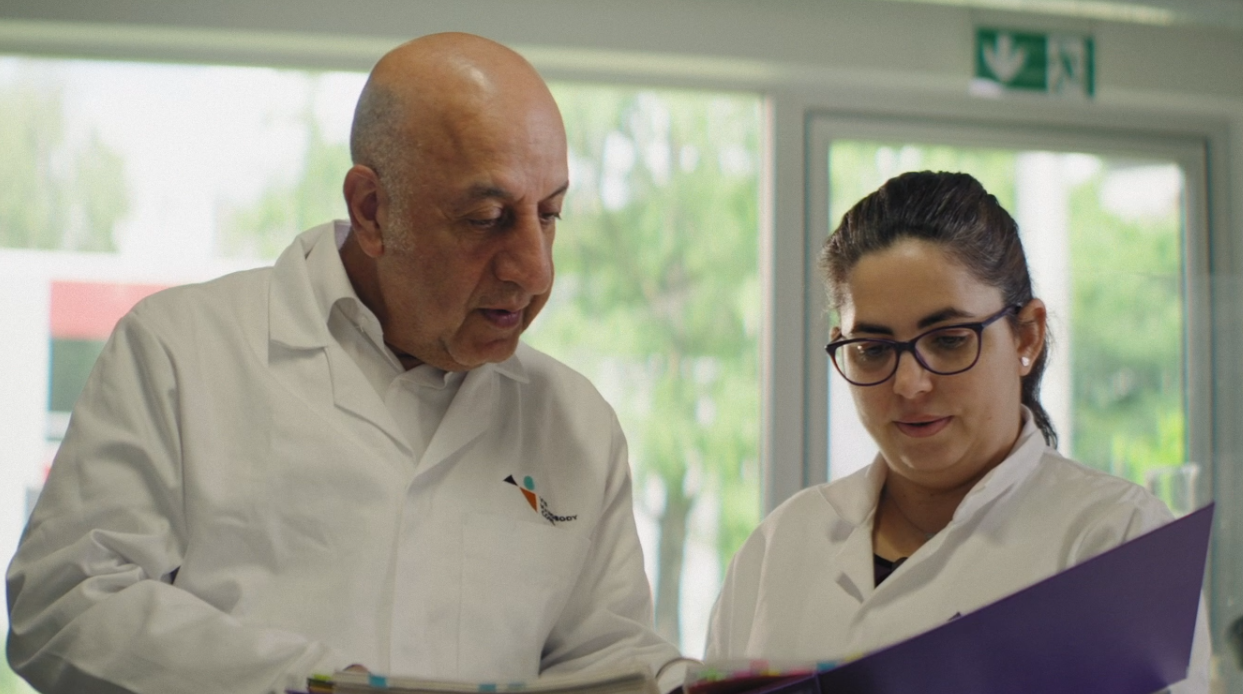
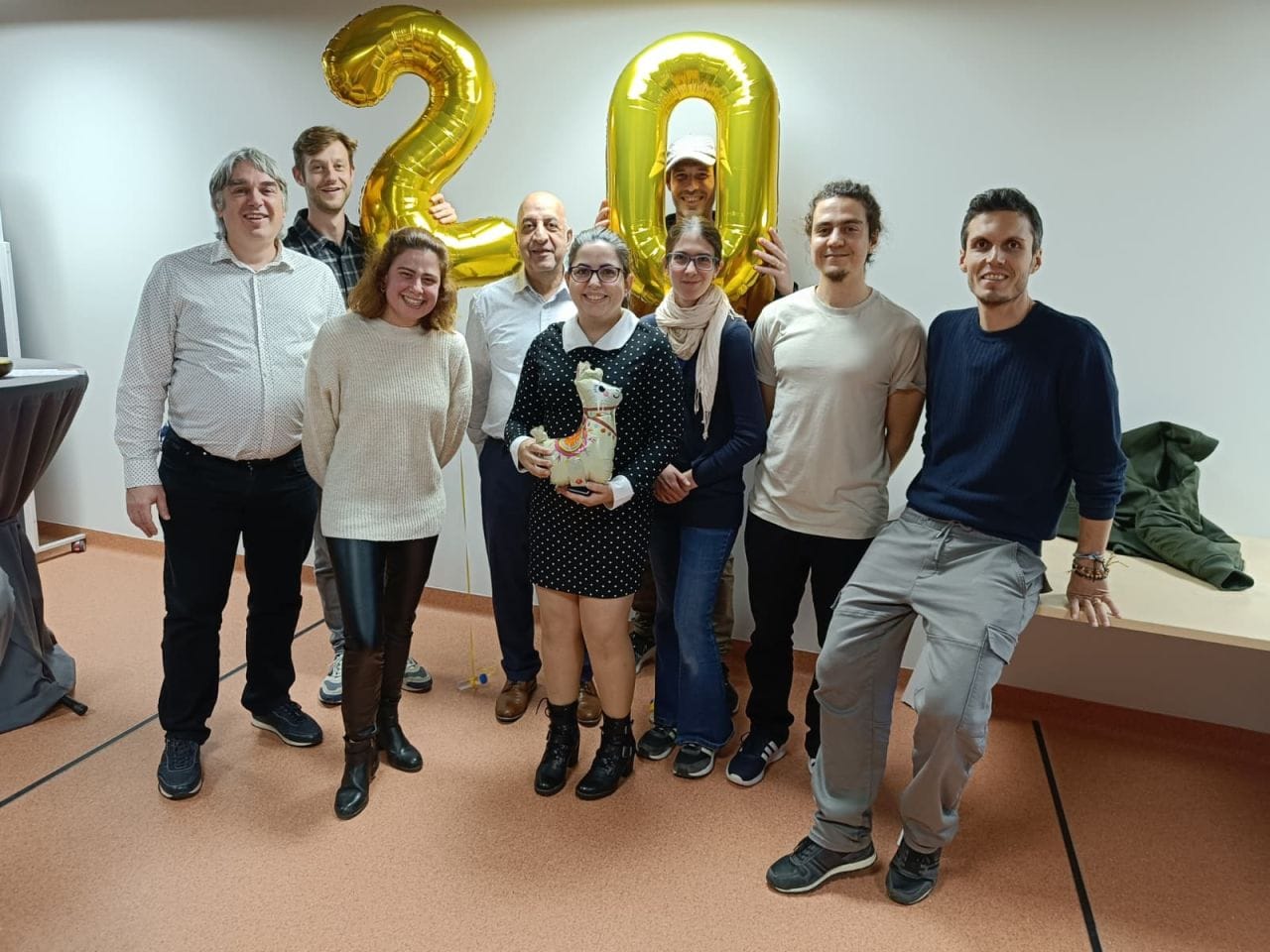
Look at the history of any transformative technology and you will find two stories. The first starts from a flash of discovery, the moment that nature reveals one of its secrets. For nanobodies®, that story is well-documented: a chance observation in camels in the late 1980s, a technology developed in the early 1990s, and companies spun off to pursue therapeutic applications—a discovery-to-drug story. The second story unfolds behind the scenes but is just as essential. It is the story of the infrastructure that was built: the teams who spend decades making the discovery work, refining it, scaling it, putting it into the hands of thousands of researchers. This is the story of the VIB Nanobody® VHH Core, which is celebrating 20 years of doing exactly that.
The story of nanobodies® begins with camels in the Moroccan desert. In the late 1980s, VUB researchers discovered that camels produce unusual antibodies—stripped-down versions lacking the light chains found in conventional antibodies. By the early 1990s, scientists had extracted the binding domain from these heavy-chain-only antibodies, creating what we now call nanobodies® or VHHs: small, stable, and remarkably versatile protein tools.


In 2005, when VIB established the Nanobody® VHH Core, nanobodies® were a promising peculiarity, not a mainstream tool. The core facility's mission was to provide a centralized technology platform for VIB research groups, to foster tech transfer, and to strengthen the local biotech ecosystem in Flanders. Reza Hassanzadeh-Ghassabeh, a team member since 2005, has had a front row seat to the evolution of the Nanobody® VHH core. For twenty-years, he has watched the Nanobody® VHH core go from a regional service facility to a worldwide reference center. Its continued evolution has occurred through a series of deliberate shifts, each expanding its capacity to serve science.
The industry turn
For the first nine years, the Core served primarily academic researchers, but the expiration of key patents in 2014 created an opening. "The expiration of patents meant that we had an opportunity to work with pharma and biotech companies," Reza explains.
Academic labs excel at fundamental discovery, but pharmaceutical companies accumulate different knowledge, such as hard-won insights about engineering proteins for stability, optimizing leads for therapeutic applications, and navigating the path from interesting molecule to clinical candidate. "We believed that this interaction gave us a wealth of knowledge, a wealth of know-how, which has been very instrumental for us to better support researchers in the advancement of their research," Reza says.

The one-stop-shop
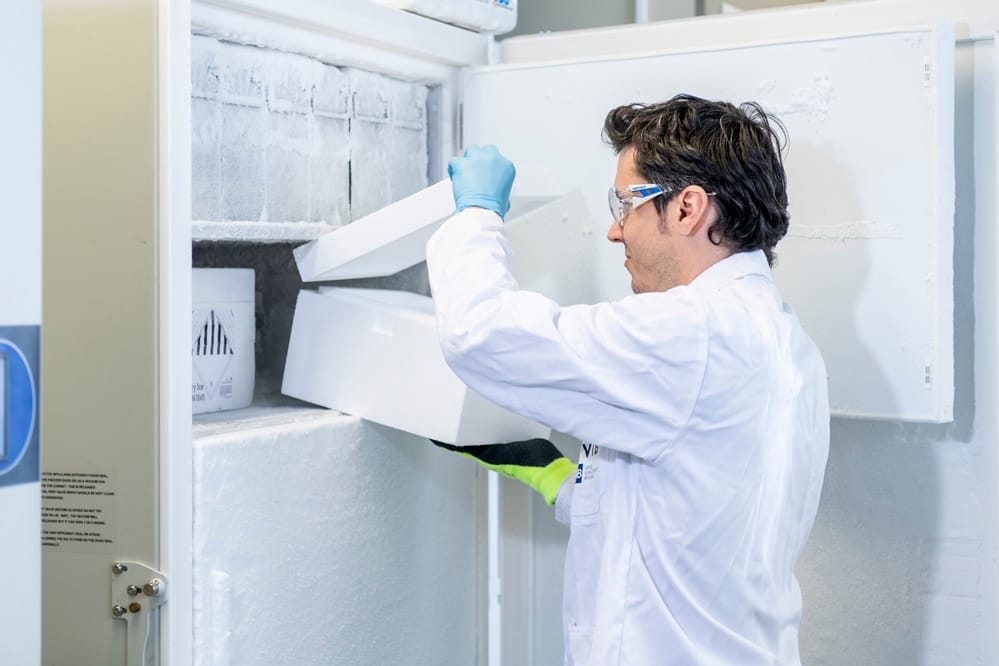
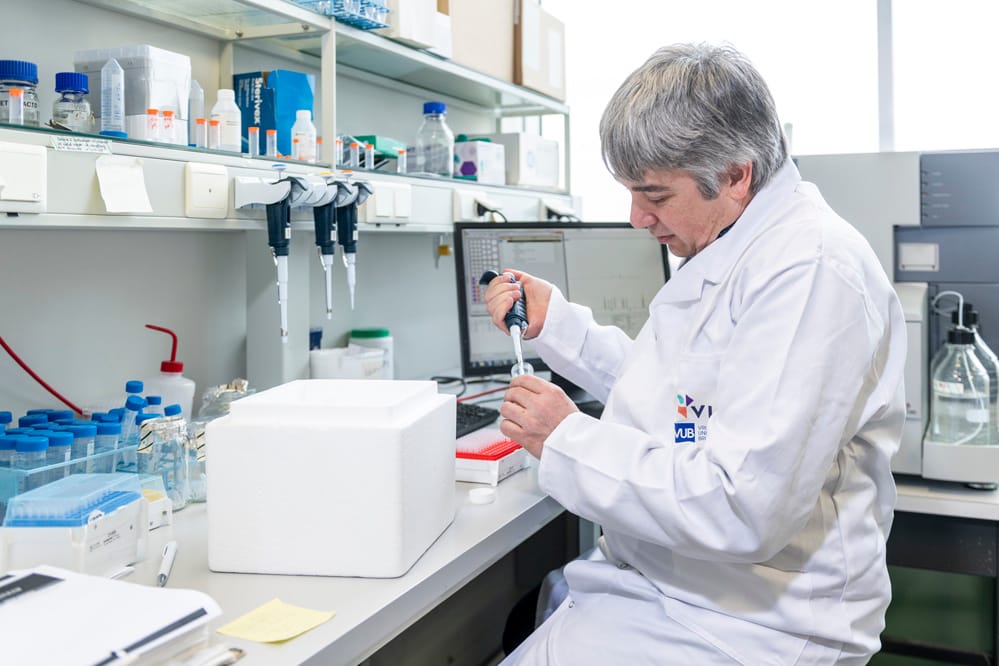
By 2019, the accumulated expertise resulted in an international evaluation board branding the VIB Nanobody® VHH Core as a worldwide reference center. "We had all necessary platforms to provide ready-to-use, fit-for-purpose nanobodies® for various therapeutics, diagnostics projects, or projects focused on developing research tools,”explains Reza. “We became a ‘One Stop Nanobody® Shop'." .
Between 2019 and 2023, work from the Core contributed to 31 patents and 46 peer-reviewed publications. Reza considers these figures underestimates. "We don't follow up to see what people do with the services that we provide. We often discover our contributions only when researchers circle back for technical feedback before filing patents or submitting papers." he notes.
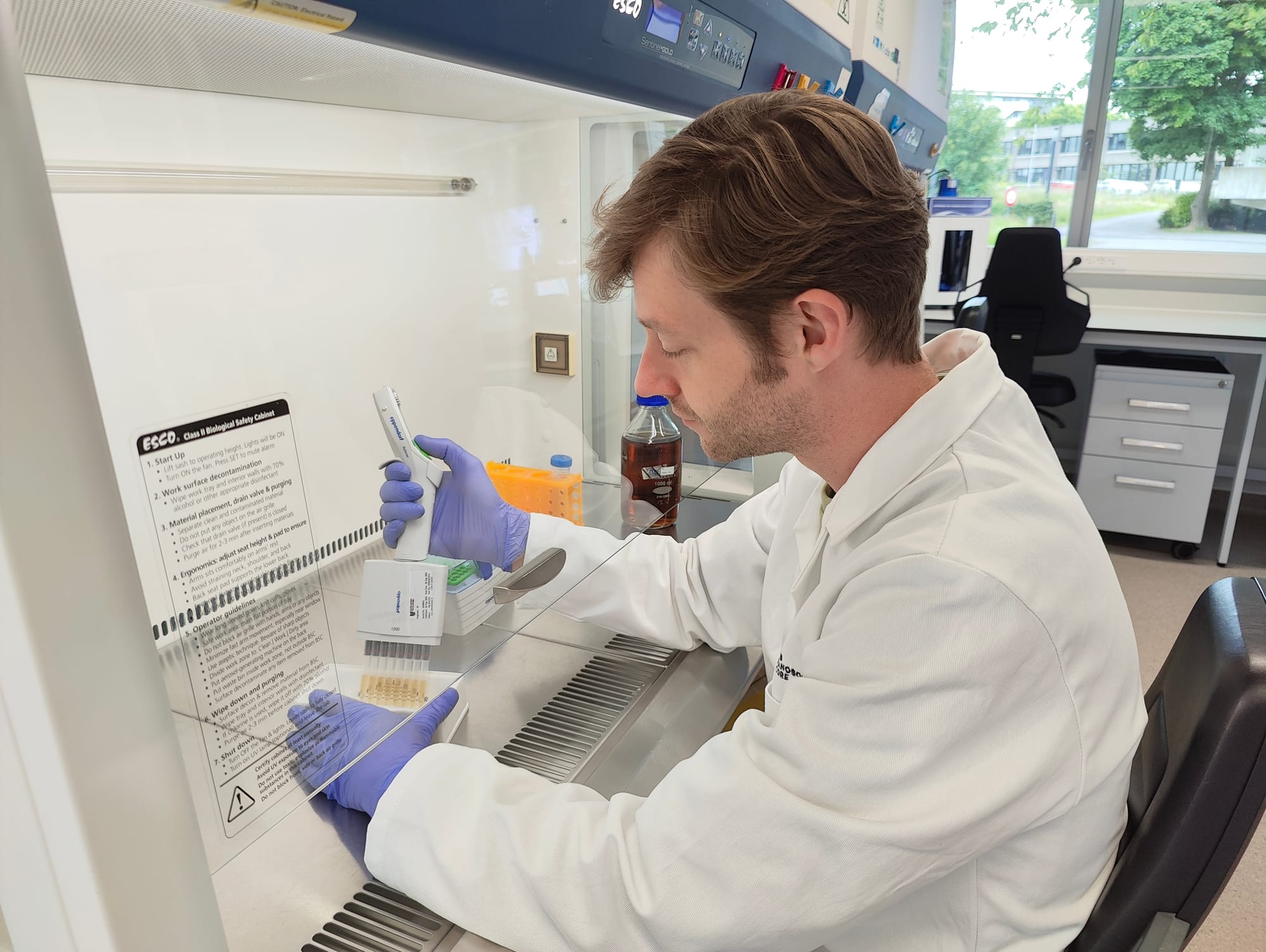
But Reza is quick to point out that it's not just the numbers that they're proud of but the larger ethos under which they operate, which their work during the COVID-19 pandemic illustrates. While most labs shut down, the Core team worked in shifts, developing nanobodies® for VIB researchers and others worldwide.
"We worked day and night in different shifts and in collaboration with the scientific community worldwide to develop something against a problem that was the whole world's problem at that time."
The contrast with industry struck Reza forcefully. "Any given pharma company generally was not going to share the know-how about the findings they had. While we worked day and night in different shifts and in collaboration with the scientific community worldwide to develop something against a problem that was the whole world's problem at that time. That's why we call ourselves an open core facility—to serve the well-being of humans.”
Moving upstream
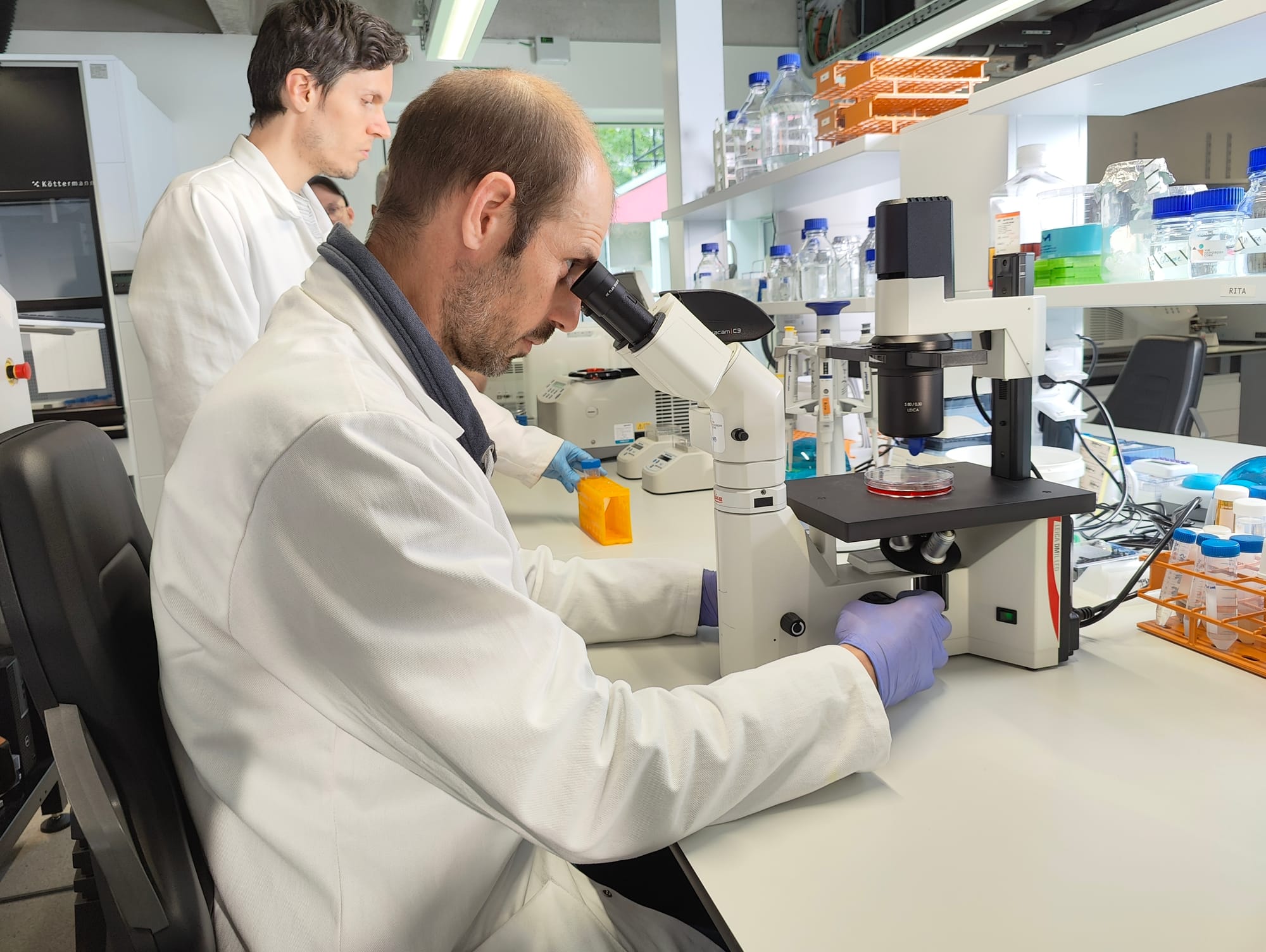
The twentieth anniversary feels like an appropriate time for yet another pivot in the story of the Nanobody® VHH Core. Thus far, they have operated as a 'solve-it' facility: researchers arrived with a known target, and the Core delivered a tailored nanobody®. But a new opportunity is emerging which positions them earlier in the discovery pipeline.
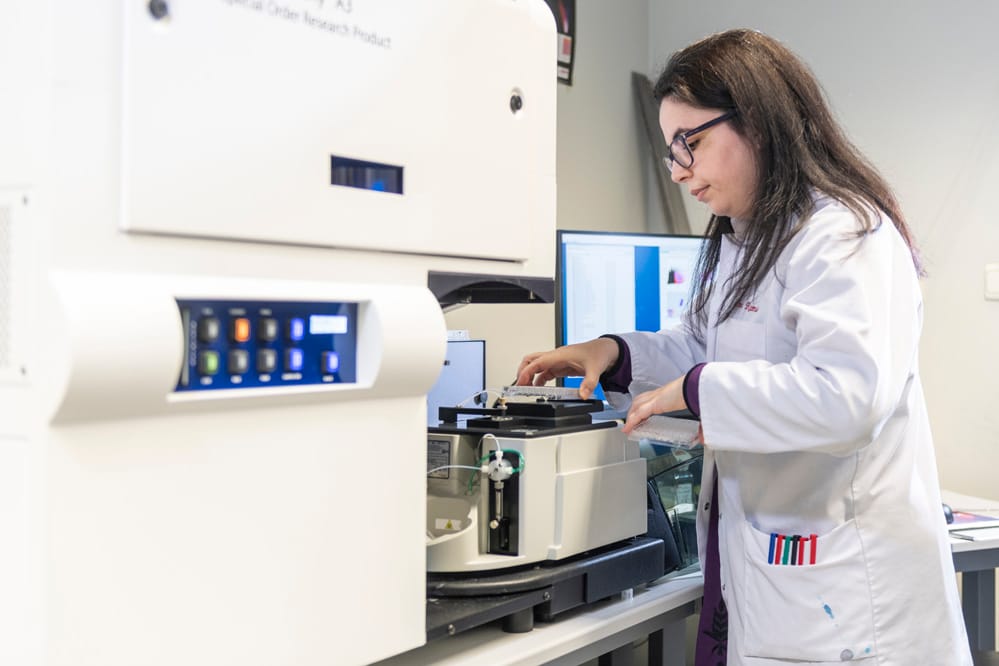
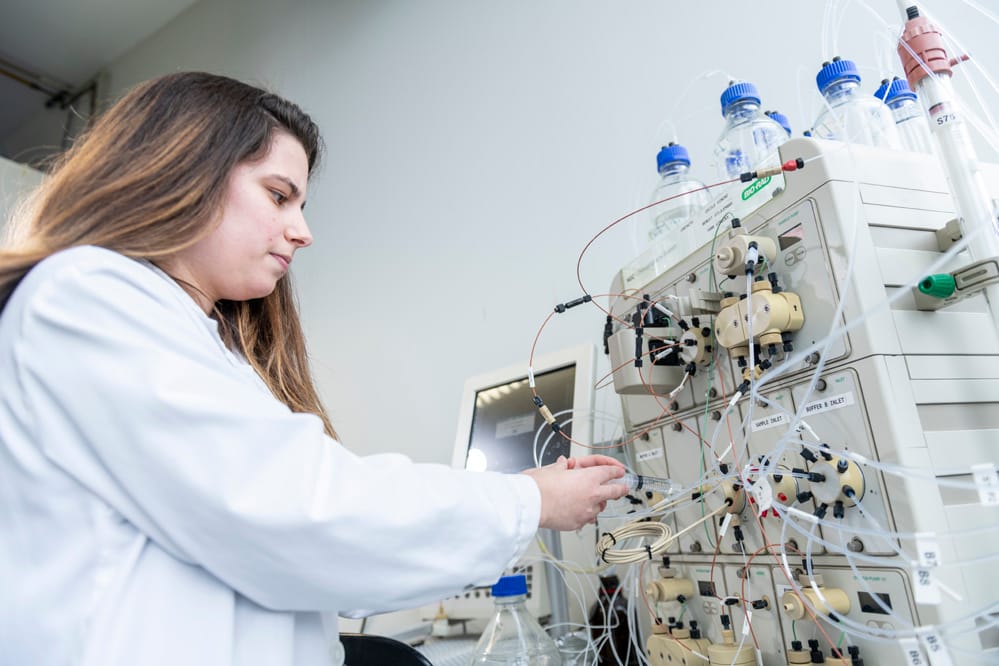
Today, multi‑omics and AI are generating a deluge of potential disease targets. But data alone cannot distinguish which targets are truly meaningful. The Core has the expertise to create different tools that can probe target functions rapidly. "We can generate tools which can be agonistic, which can be antagonistic, and so on," Reza explains.
"We're still very focused on being a service facility," Reza emphasizes. But having spent two decades mastering how to build nanobodies® for known targets, the Core is now positioned to help figure out which targets matter in the first place. Instead of waiting for the next validated target to arrive, the Nanobody® VHH Core is stepping forward to help find it.
Beyond the llama
One area, enabled by AI, stands out as particularly exciting: de novo nanobody® design.
Computational methods could design nanobody® sequences from scratch—no immunization and waiting for an animal’s immune system to generate candidates. Simply specify the target, let the algorithm generate sequences, then validate them in the lab. (Nothing in science is ever that simple of course.)
"In nanobody® research, we have a wealth of knowledge and we also have large datasets," Reza notes. "And these large datasets and this wealth of knowledge can be used for the development and validation of AI-driven nanobodies® generation."
Beyond the scientific possibilities, there's another reason this excites Reza. The traditional workflow requires immunizing llamas. The procedure is minimally invasive, but it still involves animals. "We have a passion for science but also a heart for animals," Reza says. "And I know that what we do with animals is very simple—it's like you do with your flu vaccination—but still, our wish is that there will be one day that we don't have to use animals for the generation of nanobodies®."
"How fast? That's another question we have to wait and see. I think at this stage, nobody can say." It's a prospect, not a promise.
The human element
Yet for all the enthusiasm about computational possibilities, Reza returns repeatedly to a fundamental point: AI and data generate candidates, but human expertise is still needed to validate them. The hard problem in drug discovery has been the "which key unlocks this lock" problem. Now we face a harder one: which lock actually matters? And finding the right lock is key.
AI and multi-omics can identify millions of potential targets that might lead to new treatments. But suggesting a target and proving it's worth pursuing are different tasks. "You can generate a lot of things by AI, but to validate these AI-generated reagents is another significant step," Reza observes. "And here we have all the necessary tools and means to do this." The actual experiments—showing whether a molecule works, whether a target matters to disease—remain the limiting step. AI accelerates hypothesis generation.
The engine behind the science
So this is the story that happened behind the scenes: the infrastructure that made these tools accessible, the facility that spent two decades accumulating expertise, the team that worked through pandemic lockdowns to serve researchers worldwide. The facility, set up to serve a handful of Flemish research groups, now works with scientists from Asia to North America.
The story is perhaps less dramatic than the original discovery. It's more about refining protocols, establishing pipelines, and accumulating judgment about what works, but the impact compounds over decades in ways that single discoveries cannot.
That story deserves telling too. It's the story of how scientific discovery becomes scientific infrastructure, and how infrastructure shapes what becomes possible.
Happy anniversary!


Nanobody® & Nanobodies® are trademarks of Sanofi-Ablynx